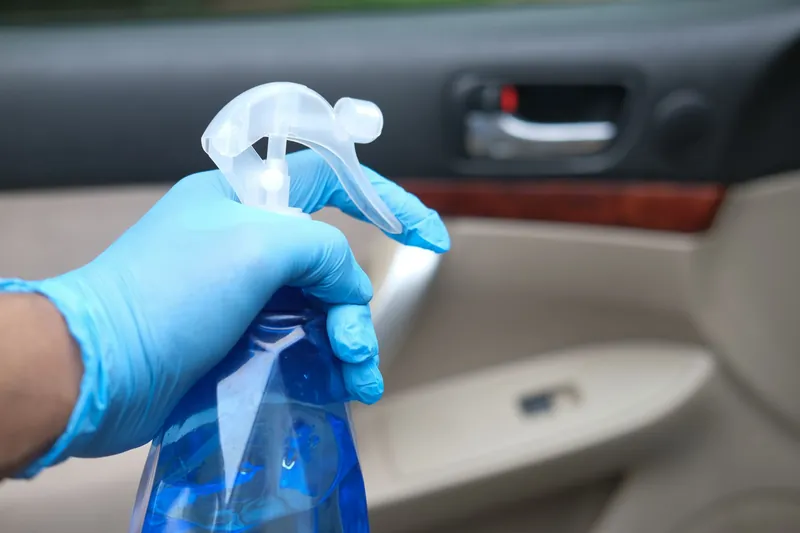
Police and Ambulance Vehicle Decontamination
Emergency vehicle decontamination covers transport units, police cars and ambulances.
See police and ambulance vehicle decontaminationGet blood, bodily fluids, waste and odor removed from a car, truck, RV or boat in Edgewood. Vehicle biohazard remediation reaches hidden contamination in seats, carpet, trim and the air system.
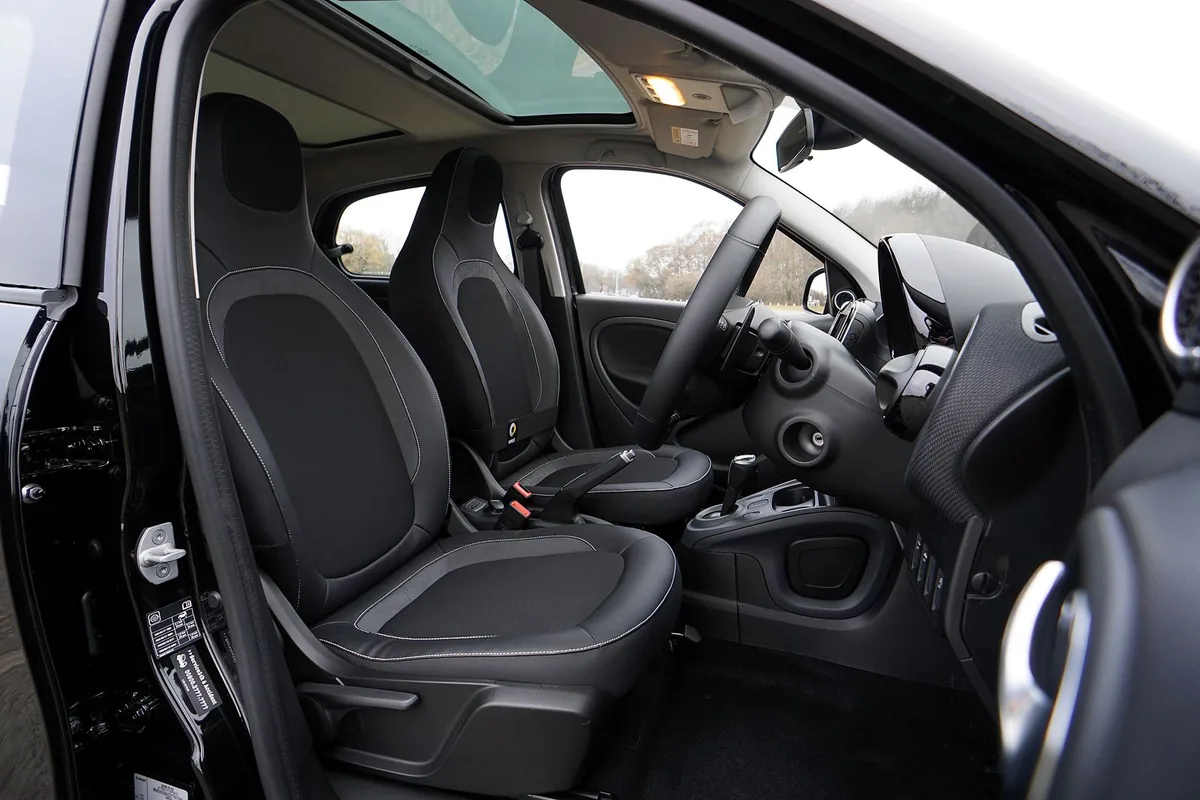
A vehicle biohazard cleanup removes contaminated materials, including bodily fluids, blood, animal waste and human waste, from a fleet unit, boat, RV, truck or car. The remaining work includes disinfection, cleaning and odor treatment.
A vehicle interior has many hidden pathways. Liquid can pass through a seat cover into foam, run beneath carpet, collect along trim clips and reach wiring channels. Airflow can also carry odor into the cabin filter and vents. Ordinary detailing focuses on appearance, while vehicle biohazard remediation follows the contamination into the affected area and surrounding areas.
Protective equipment and a controlled inspection come first. Next, affected material that cannot be thoroughly disinfected is taken out, surfaces are carefully cleaned, and hazardous waste goes to proper disposal. EPA-registered disinfectants stay wet throughout the contact time printed on the label. These steps show you what may be kept and which cabin parts have to be removed.
Learn about the vehicle inspection process before you select a cleanup company. Ask for inspection results, what can stay, what must come out and the factors affecting cost before choosing how to move forward.
Your input guides the way personal belongings, records and tools are organized. Belongings found inside are evaluated instead of automatically being classified as waste.
Calls are answered day and night, and crews arrive in unmarked vehicles. A private conversation lets you share the situation and make your own decision about moving forward.
Cleanup photos, the defined scope and a removal inventory may be arranged for the insurance company, vehicle fleet manager or property owner.
If affected material extends beyond one small, safely wipeable mark on a hard surface, a vehicle may need biohazard cleaning. Circumstances vary, but these common examples call for keeping the doors closed and arranging an inspection:
A documented cleaning process may be needed before taxis, rideshare cars, commercial trucks or emergency response vehicles go back into service.
Fluid from an accident, injury or medical event may affect seating, carpeting, the console, a door panel or the cargo space. A spot that looks minor may extend into the padding below.
For a vehicle released by law enforcement after a crime or trauma, contamination can be left to a cleaning service, sparing you and your loved ones from seeing the affected areas.
Waste from illness, incontinence or prolonged occupancy, including urine, vomit and feces, can soak into seams or porous vehicle materials that ordinary cleaning misses.
Before a cleanup inspection, your priority is to avoid contact and stop contamination from moving within the cabin. Follow these precautions until technicians can examine the vehicle:
Call (888) 440-9227For biohazard cleanup of a vehicle, the published range is $500 to $5,000. What you finally pay depends on interior materials, event severity, time passed since the event and the need for air-system decontamination. An inspection is required to find possible contamination hidden under a seat or beneath the carpet rather than visible at the door.
These national ranges are taken from published cost guides, rather than a property visit. You learn what your property will cost after the on-site assessment and before any work begins.
Ask about cost: (888) 440-9227Your auto policy may cover biohazard cleanup of a vehicle if it includes the cause of the incident. Coverage terms, documentation needs and deductibles differ, so check with your insurance company before you approve work whenever the situation permits.
The fleet manager or vehicle owner generally begins the claim and authorizes access. Commercial policies may have different limits, exclusions and record requirements.
Without entering or changing the car, explain what occurred to the claims adjuster. Find out whether the policy pays for towing, biohazard cleaning, affected interior removal and later restoration.
Retain the claim number along with photographs, cleanup details, disposal records and a removal inventory. Before throwing away affected components, confirm whether the adjuster needs to examine them.
The Maryland Criminal Injuries Compensation Board, part of the Governor's Office of Crime Prevention and Policy, lists crime scene cleanup among eligible expenses for crime victims. Insurance is usually checked first.
The vehicle biohazard remediation process follows a controlled order through the entire process so contamination does not spread from one part of the cabin to another. Every step depends on the event, interior materials and time since exposure.
During inspection, cleanup technicians check the passenger area, cargo section, trunk, flooring, seat edges and exposed ventilation intakes. Pictures show the vehicle's initial condition and support the cleanup scope.
The car and surrounding cleanup space remain isolated from the public. Technicians use gloves, protective clothing, eye protection and other gear suited to the exposure.
Personal property is sorted among apparently unaffected belongings, cleanable items and contaminated materials needing disposal or a decision from you.
When contamination soaks into vehicle materials beyond complete disinfection, only the affected foam, fabric, padding, headliner, carpet or trim is removed.
Cleaning solid surfaces comes first, followed by application of an EPA-registered disinfectant. The treated area remains visibly wet throughout the label's required contact period.
If contamination or odor could have reached the climate system, the inspection includes vents, air intakes and the cabin filter. Source removal remains the first priority.
Materials taken from the vehicle are packaged and discarded according to the applicable waste requirements. Documentation may be useful for fleet records or an insurance claim.
A final check of affected areas and surrounding areas helps ensure no contaminated matter is left behind. You are informed about all completed cleaning and removal, along with restoration services that may still be necessary.
You can call anytime. A vehicle biohazard cleanup specialist answers, explains the steps and agrees a start time with you.
Inside the confined space of a vehicle, hidden sharps, body fluids, blood and waste may present significant health hazards.
Liquid follows seams and gravity. It may reach seat foam, carpet padding, floor channels and fasteners even when the visible surface looks dry.
Heat and limited airflow can intensify odor. Running the climate system before the source is removed may move odor into vents and the cabin filter.
A hidden needle could be among personal property, below a seat or in a storage pocket. An exposure can occur when someone searches inside the car without puncture-resistant tools.
Can you clean it yourself? With gloves, you may clean several fresh drops from a non-porous hard surface using an EPA-registered disinfectant that stays on for the complete label contact time. If fluid reached a seam, fabric, foam, carpet, headliner or vent, or if a sharp object is present, keep out and seek professional cleanup.
Whether an interior part stays depends on material and access. Non-porous pieces may remain if there is access to clean and disinfect every side. Affected porous material may require removal after a spill soaks in.
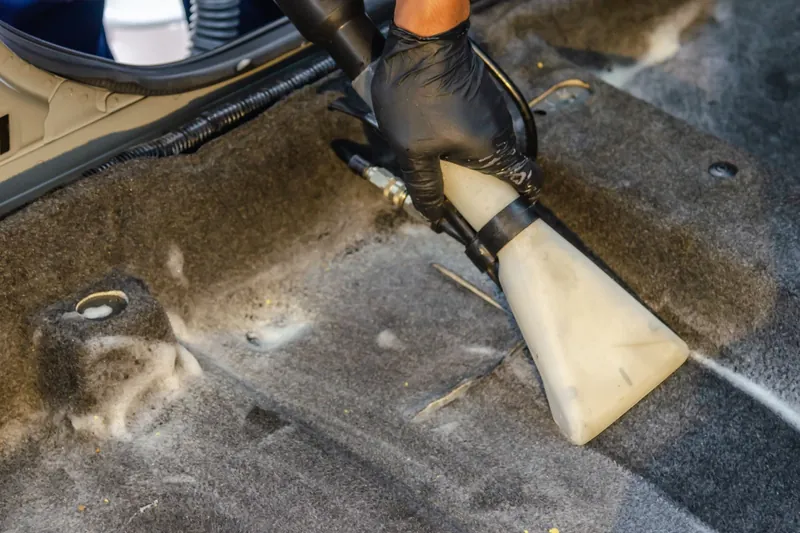
The OSHA Bloodborne Pathogens Standard, 29 CFR 1910.1030, sets worker requirements for exposure controls, protective equipment and training when occupational contact with blood may occur.
A disinfectant should be EPA-registered for the target pathogen and compatible with the surface. It must remain wet for the full contact time on its label.
Maryland calls this special medical waste, which can include blood-soiled articles. Maryland Department of the Environment rules control how it is handled, transported and treated, so it cannot go in household trash.
Maryland uses a statewide system run by the Office of the Chief Medical Examiner, part of the Maryland Department of Health, which investigates sudden, violent or suspicious deaths. Cleanup starts after police or the medical examiner release the scene.
The time needed for biohazard vehicle cleaning is set after inspection. A limited hard-surface cleanup takes less time than work that requires seat removal, carpet removal, vent inspection, repeated treatment or replacement parts.
The full vehicle biohazard cleanup guide covers what is cleaned or removed, odor and air quality work, and the rules that apply in Harford County and Maryland.
Read the full vehicle biohazard cleanup guidePlanning for access, containment and cleanup can depend on local population, housing and entry conditions.
With renters in 29.6% of local homes, owner occupied properties form most of the housing context for cleanup planning.
The local median home dates to 1980, making a room by room material assessment more useful than one cleaning method everywhere.
In Edgewood, 1,096 older adults live alone, making privacy important when relatives, landlords, or building staff become involved.
In an area with 74.5% single-family housing, sewage or fluids may reach lower levels through stairs, drains, and utility openings.
During your call, ask whether cleanup is available in surrounding communities and ZIP codes.
Emergency vehicle decontamination covers transport units, police cars and ambulances.
See police and ambulance vehicle decontamination
Blood cleanup clears blood from furniture, walls, hard floors and carpet, followed by safe disposal.
See blood cleanup
Homes, care environments and businesses receive bodily fluid cleanup and disinfection.
See bodily fluid cleanup
Biohazard carpet and upholstery cleaning, or safe removal when needed.
See biohazard carpet and upholstery cleaning
Yards, encampments, parks and rental properties receive needle and sharps cleanup.
See needle and sharps cleanup
Trauma scene cleanup addresses the aftermath of accidents, injuries and violent incidents.
See trauma scene cleanup
Full decontamination of rooms, surfaces and air after infectious or hazardous exposure.
See biohazard decontamination
Sealed containers with labels hold biohazard waste during collection and disposal.
See biohazard waste disposalDo not use the air conditioning or fan before inspection of the odor source and airflow route. Odor can spread across the vent system or enter the cabin filter when air moves. Do not sit in the cabin, and use an open door for ventilation solely when immediate safety demands it. Odor treatment should follow source removal, detailed cleaning and any needed filter or vent work.
A safe outcome requires locating the entire affected area and successfully treating or taking out porous items that were contaminated. Get a clear record of cleaning and removal, including confirmation about inspection of vents or the cabin air filter. Prospective buyers should read the full record and think about getting an independent vehicle assessment.
Begin by restricting entry and finding every place the contamination reached. The cleaning process separates personal property, removes absorbent materials that cannot be disinfected, cleans solid surfaces and uses an EPA-registered disinfectant through the full labeled contact period. Odor sources, vents and the cabin filter are checked before a final inspection of the interior.
Any car, fleet vehicle, truck, boat or RV may be considered biohazardous after contamination by sharps, human or animal waste, blood, bodily fluids or similar material with infection risk. The term describes the contamination, not a specific make or type of vehicle. Inspecting the vehicle shows what surfaces are cleanable and what absorbent components might require removal.
The report generally shows that information about a vehicle's biohazard exposure reached a record source. Exact event details, current condition and cleanup quality are not established by the report. Ask the seller or owner for the event details, cleanup records, replaced-parts list and an independent inspection before deciding whether to buy or use it.
Regular detailing is meant for dirt, stains and appearance. During biohazard remediation, workers consider hidden liquid routes, bloodborne pathogens, protective gear, hazardous waste and disinfectant contact time. When material penetrates foam, padding, insulation or air vents, surface fabric shampooing leaves deeper areas untreated. Ask if professional biohazard cleanup is included.
Respectful, discreet vehicle biohazard cleanup is available 24 hours a day, and crews arrive in unmarked vehicles.